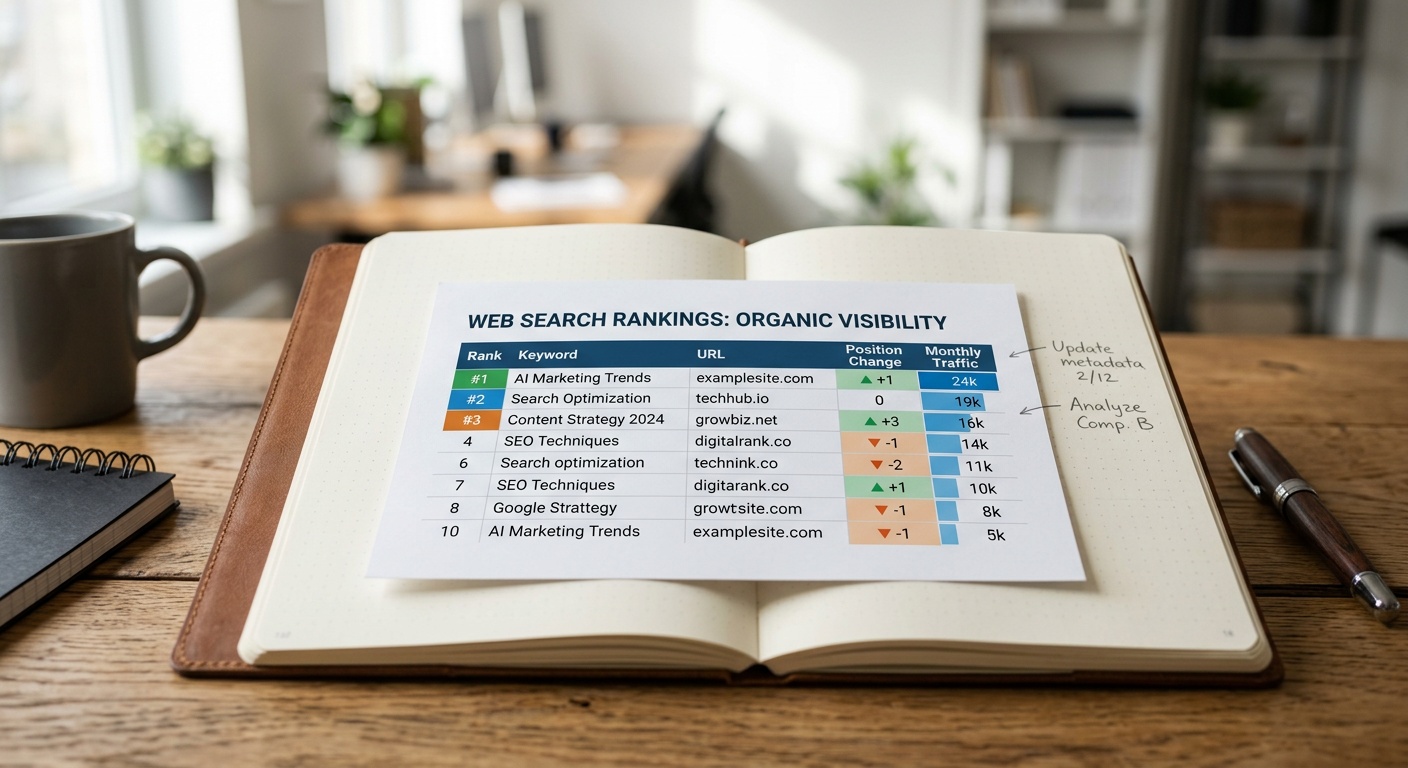
SEO Services Explained: What You Actually Get for Your Money
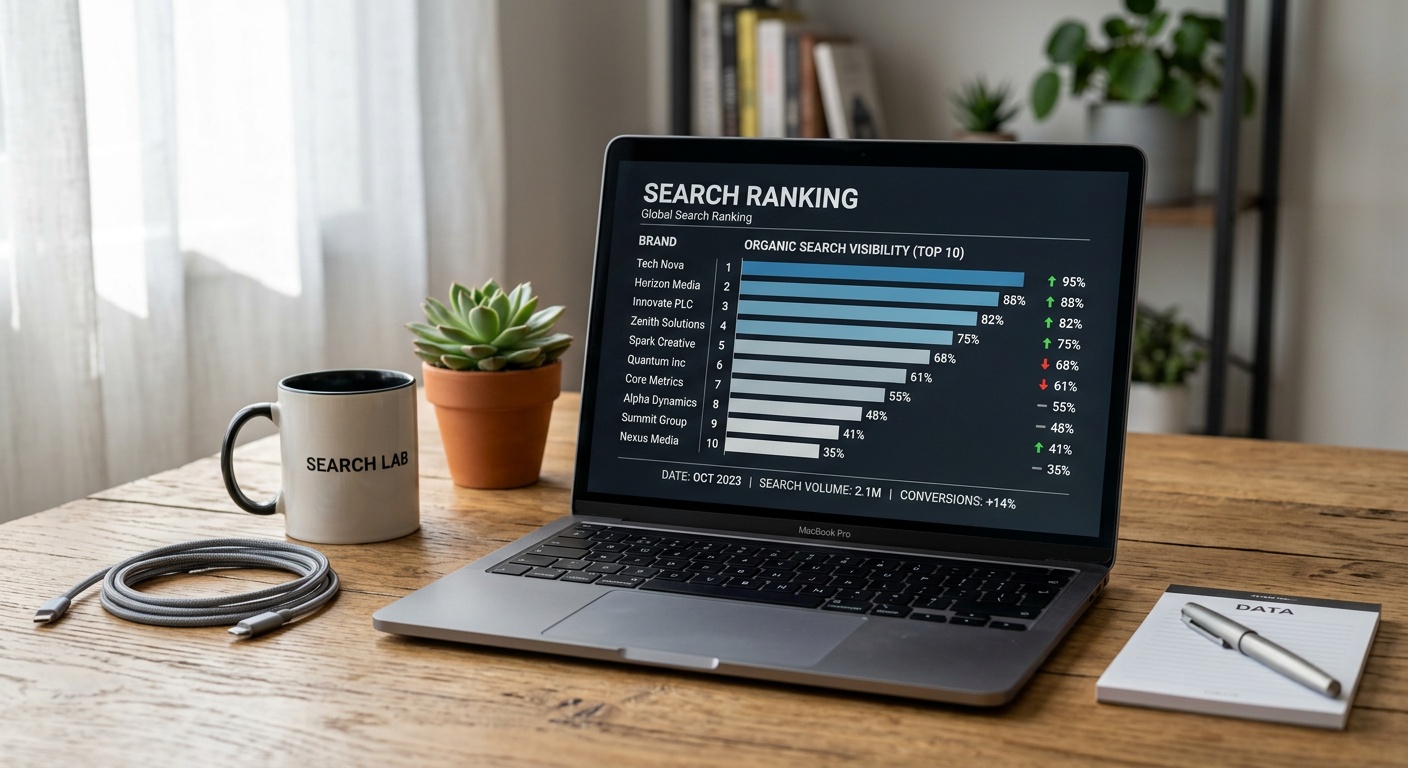
SEO Services Explained: What You Actually Get for Your Money
Reading time: 14 minutes
You’ve seen the pitches. “Rank #1 on Google in 30 days!” “Guaranteed first-page results!” “Double your traffic overnight!” If you’ve ever hired an SEO agency — or seriously considered it — you’ve probably felt a mixture of hope and healthy skepticism. That feeling is entirely rational.
Here’s the straight talk: SEO is one of the most misunderstood services in the digital marketing world. Business owners regularly spend anywhere from $500 to $50,000 per month on SEO without fully understanding what they’re actually purchasing. And agencies, frankly, don’t always make it easy to know.
This guide tears back the curtain. Whether you’re a startup founder evaluating your first SEO investment or a marketing director questioning whether your current agency is delivering real value, you’ll leave here with a clear framework for understanding exactly what SEO services involve — and how to evaluate whether you’re getting your money’s worth.
Table of Contents
- What SEO Actually Is (And Isn’t)
- The Core SEO Services — Broken Down
- SEO Pricing in 2026: What Different Budgets Get You
- 3 Common SEO Challenges and How to Overcome Them
- Agency vs. Freelancer vs. In-House: A Real Comparison
- How SEO Budget Impacts Results: A Data Snapshot
- Real-World SEO in Action: Two Case Studies
- Frequently Asked Questions
- Your SEO Investment Roadmap: Next Steps
What SEO Actually Is (And Isn’t)
Search Engine Optimization is the practice of improving a website’s visibility in organic (non-paid) search engine results. But that one-sentence definition hides a mountain of complexity. In 2026, SEO is no longer just about keywords and backlinks — it’s a multi-disciplinary function that touches technical engineering, content strategy, user experience design, and brand authority building.
Google’s algorithm now processes over 200 ranking signals, and its AI-driven systems — including the Search Generative Experience (SGE) updates that matured through 2025 — have fundamentally changed how content is discovered, summarized, and surfaced to users. According to BrightEdge’s 2026 Channel Performance Report, organic search still drives 53% of all website traffic, making it the single largest source of digital visits across industries.
What SEO isn’t: it’s not a quick fix, a guaranteed outcome, or a one-time project. It’s an ongoing investment in your digital infrastructure.
The Three Pillars of Modern SEO
Every legitimate SEO engagement — regardless of price or provider — should address three foundational areas:
- Technical SEO: Ensuring search engines can crawl, index, and understand your website. This includes site speed, mobile-friendliness, structured data, and Core Web Vitals compliance.
- Content SEO: Creating and optimizing content that satisfies search intent, demonstrates topical authority, and earns visibility in AI-generated search summaries.
- Authority SEO (Link Building): Earning high-quality backlinks and brand mentions from credible external sources to signal trustworthiness to search engines.
If a provider focuses exclusively on one pillar while ignoring the others, you’re not getting comprehensive SEO — you’re getting a partial service that will eventually hit a ceiling.
The Core SEO Services — Broken Down
Let’s get granular. When an SEO agency sends you a proposal, here’s what each line item should actually mean and deliver.
Technical SEO Audits and Implementation
A technical SEO audit is typically the first deliverable in any engagement. It’s an in-depth analysis of your website’s infrastructure to identify issues that prevent search engines from properly accessing or understanding your content.
A quality technical audit in 2026 should examine:
- Core Web Vitals scores — Google’s page experience metrics (LCP, INP, CLS) that directly influence rankings
- Crawl budget efficiency — ensuring search bots spend their time on your important pages, not duplicates or error pages
- Structured data markup — schema implementation that helps your content appear in rich results and AI-powered search features
- Mobile usability — with mobile-first indexing fully established, mobile performance is non-negotiable
- Site architecture and internal linking — the logical flow of link equity through your website
- HTTPS security and page speed optimization
Critical distinction: Many agencies provide audits but charge separately for implementation. Always clarify whether technical fixes are included in your retainer or billed additionally. A 40-page audit sitting in a PDF does nothing for your rankings — execution is what matters.
Keyword Research and Content Strategy
Modern keyword research has evolved far beyond finding high-volume search terms. In 2026, sophisticated SEO providers focus on search intent mapping — understanding whether a searcher wants to learn, compare, buy, or navigate — and building content architectures that serve each intent stage.
Quality keyword and content deliverables include:
- Topical authority mapping (identifying content clusters that build subject-matter expertise)
- Competitive gap analysis (keywords your competitors rank for that you don’t)
- SERP feature targeting (featured snippets, People Also Ask boxes, AI Overview inclusion)
- Content calendars with prioritized publication schedules
- Content briefs that guide writers with specific structural requirements
Link Building and Digital PR
Backlinks remain among the most powerful ranking signals in 2026, but the methods for earning them have become increasingly sophisticated — and scrutinized. Google’s spam policies have become significantly more aggressive, with algorithm updates in mid-2025 specifically targeting manipulative link schemes.
Legitimate link building services you should expect include:
- Digital PR campaigns that earn editorial placements in industry publications
- Broken link building and resource page outreach
- Expert quote contributions and journalist source pitching (HARO-style outreach)
- Strategic guest posting on relevant, high-authority domains
- Brand mention reclamation (converting unlinked mentions into links)
Be cautious of any provider offering guaranteed numbers of links at suspiciously low costs. Cheap link schemes can result in manual penalties that take months to recover from.
Local SEO
If your business serves a geographic area, local SEO is its own specialized discipline. This includes Google Business Profile optimization, local citation building, review management strategy, and location-specific content development. According to Google’s own data from 2025, “near me” searches with purchasing intent grew by 28% year-over-year — making local SEO critical for brick-and-mortar businesses.
Reporting and Analytics
This is where many clients get burned. SEO reporting should connect activities directly to business outcomes — not just vanity metrics like keyword rankings. Quality reporting includes:
- Organic traffic trends segmented by page type and intent
- Conversion tracking from organic search sessions
- Keyword ranking movement with competitive context
- Backlink profile health and acquisition progress
- Revenue or lead attribution from organic channels
SEO Pricing in 2026: What Different Budgets Get You
Pricing transparency has improved in the SEO industry over the past few years, but significant variation still exists. Here’s a realistic breakdown of what different investment levels typically deliver in 2026:
| Monthly Budget | Service Level | Typical Provider | Best For | Expected Timeline |
|---|---|---|---|---|
| $500–$1,500 | Basic/DIY-assisted | Freelancer or small agency | Local businesses, startups | 6–12 months |
| $1,500–$5,000 | Standard full-service | Mid-tier agency | SMBs in competitive niches | 4–9 months |
| $5,000–$15,000 | Advanced multi-channel | Established agency | E-commerce, regional brands | 3–6 months |
| $15,000–$50,000+ | Enterprise-grade strategy | Enterprise SEO firm | Large websites, national brands | 2–4 months |
Note: “Expected timeline” refers to when measurable organic traffic growth typically becomes visible — not when full ROI is achieved, which often takes 6–18 months depending on competition and starting point.
3 Common SEO Challenges and How to Overcome Them
Challenge 1: The “Why Aren’t I Seeing Results?” Frustration
This is perhaps the most universal pain point in SEO client relationships. You’ve been paying for three months, and your rankings haven’t budged. Before concluding your agency is failing you, consider these realities:
SEO operates on a compounding timeline. Technical fixes need to be discovered and re-crawled by search engines. Content needs to be indexed, tested against user signals, and gradually trusted by Google’s systems. New backlinks need time to transfer authority. According to Ahrefs’ 2025 research, only 5.7% of newly published pages reach the first page of Google within one year — which underscores why patience isn’t just a virtue in SEO; it’s a strategic requirement.
What to do: Set milestone-based expectations from day one. Month 1–2 should deliver a completed audit and content strategy. Month 3–4 should show improving crawl health and initial content indexation. Months 5–8 are when keyword movement typically becomes visible. Demand progress-based reporting, not just outcome-based reporting, during the early phases.
Challenge 2: Measuring ROI Without Clear Attribution
SEO’s attribution problem is real. A customer might discover your brand through an organic blog post, return through a direct visit weeks later, click a paid retargeting ad, and ultimately convert. Which channel gets credit?
What to do: Work with your SEO provider to establish multi-touch attribution modeling in your analytics platform. Google Analytics 4 (GA4), now standard across the industry, offers data-driven attribution that distributes conversion credit across the full customer journey. Also establish SEO-specific KPIs that ladder to revenue: organic-sourced leads, e-commerce revenue from organic sessions, and phone call conversions from local search.
Challenge 3: Algorithm Updates Disrupting Progress
Google released 11 confirmed core algorithm updates in 2025, each capable of reshuffling rankings significantly. Many businesses that had built solid organic positions found themselves reassessing after these updates.
What to do: Diversify your traffic sources so organic search is a major component — not your only lifeline. Invest in content that genuinely serves user needs rather than content engineered to game algorithm patterns. Agencies that respond to algorithm updates with panic pivots rather than calm, data-driven analysis are not the partners you want.
Agency vs. Freelancer vs. In-House: A Real Comparison
One of the most important decisions isn’t which SEO services to buy — it’s who you buy them from. Each model has legitimate strengths depending on your situation.
SEO Agency: Best for businesses that need a full-spectrum team without managing individual specialists. Agencies bring integrated expertise across technical, content, and link building disciplines. The trade-off is higher cost and potential for your account to be deprioritized if you’re not a top-tier client.
SEO Freelancer: Ideal for specific, well-defined projects — a technical audit, a content brief template, a link building campaign. Experienced freelancers often provide better value-per-dollar for specialized tasks. The limitation is bandwidth and the difficulty of finding one person strong across all SEO disciplines.
In-House SEO: Makes sense for businesses with large, complex websites where ongoing, deep institutional knowledge is critical. An in-house SEO professional earns your market context and brand voice deeply — but the annual total cost (salary, benefits, tools) typically exceeds $100,000 for a senior practitioner in 2026.
Hybrid model: Many mid-market companies are finding success with a lean in-house SEO manager who oversees a mix of agency partners and specialized freelancers. This model provides strategic continuity with execution flexibility.
How SEO Budget Impacts Organic Traffic Growth: A Data Snapshot
The following visualization illustrates average organic traffic growth rates at different monthly investment levels, based on aggregated industry data from SEMrush’s 2026 State of Search Marketing report.
Average Organic Traffic Growth at 12 Months by Monthly SEO Budget
Source: SEMrush State of Search Marketing Report, 2026. Data represents median across B2B and B2C verticals.
The data reveals a clear relationship between investment and outcome — but notice that even the lowest budget tier delivers meaningful growth when the work is done correctly. The curve isn’t linear; diminishing returns exist at higher investment levels, which is why strategy matters more than spend alone.
Real-World SEO in Action: Two Case Studies
Case Study 1: The E-Commerce Brand That Fixed Its Foundation
Imagine a mid-sized outdoor gear retailer — let’s call them Ridgeline Co. — with around 2,400 product pages. In early 2025, they were generating approximately 45,000 organic sessions per month, despite being in a market where their competitors with similar catalogs were driving 200,000+.
Their new SEO agency began with a comprehensive technical audit and discovered critical issues: 1,800 product pages were being indexed as near-duplicates due to parameter-based URL variations. Their site’s crawl budget was being consumed by these low-value URLs, leaving hundreds of priority category pages crawled only every 3–4 weeks.
The fix involved implementing canonical tags, restructuring the URL parameter handling in Google Search Console, and building a stronger internal linking architecture to signal priority pages. Content-wise, the agency developed topical pillar pages around core outdoor activity categories that pulled together their product expertise.
Results over 12 months: organic sessions grew from 45,000 to 118,000 per month — a 162% increase. More importantly, organic revenue attributed in GA4 grew by 89%. The investment? $4,200 per month, delivering an estimated 6.4x ROI within the first year.
Case Study 2: The B2B SaaS Company That Got Authority Right
A project management software startup entered a highly competitive keyword landscape in 2025 dominated by well-funded incumbents. Rather than trying to outrank established players on head terms immediately, their SEO strategy focused on building genuine topical authority through deep-dive content targeting long-tail and mid-tail terms their competitors had overlooked.
Their content team, guided by SEO briefs, produced comprehensive guides answering specific operational questions: “how to manage remote construction project timelines,” “project reporting templates for engineering firms,” and similar highly specific queries. They simultaneously ran a digital PR campaign that earned coverage in construction industry trade publications, generating 47 high-quality referring domains in 8 months.
By Q1 2026, the company had achieved first-page visibility for 340 relevant keywords, generating consistent demo requests from organic traffic. Their domain rating improved from 18 to 41. Monthly organic sessions grew from near-zero to 22,000 — with a lead-to-close rate significantly higher than paid channels because users arrived already educated on the product’s value.
The key insight: SEO strategy isn’t just about what you rank for — it’s about what kind of visitor arrives when you rank.
Frequently Asked Questions
How long does SEO take to show real results?
Most businesses begin seeing measurable organic traffic improvements between 4 and 8 months after starting a comprehensive SEO program. However, “real results” in terms of meaningful revenue impact typically requires 9–18 months of consistent effort. The timeline varies significantly based on your website’s starting authority, the competitiveness of your target keywords, and how quickly technical and content work is implemented. New websites in competitive markets may take 18–24 months to achieve first-page visibility for primary target terms. This timeline is why SEO should be viewed as a long-term channel investment, not a short-cycle campaign.
What are the red flags that an SEO agency isn’t legitimate?
Watch for these warning signs: guarantees of specific ranking positions (no ethical provider can guarantee Google’s decisions); promises of results in unrealistically short timeframes (30-day first-page guarantees are almost always a scam); vague reporting that shows rankings without connecting to traffic or conversions; link building packages offering hundreds of links at very low per-link costs (these are almost certainly low-quality or spammy links that can harm your site); no discussion of your business goals or audience before pitching a package; and refusal to explain methodologies in plain language. Legitimate SEO providers welcome scrutiny and can explain every tactic they use.
Should small businesses invest in SEO or focus on paid search first?
This depends on your timeline, budget, and competitive landscape. Paid search (Google Ads) delivers immediate visibility but stops the moment you stop paying. SEO builds cumulative, compounding returns that continue generating traffic even when investment levels fluctuate. For small businesses with tight cash flow that need leads immediately, a modest paid search budget while building SEO foundations makes practical sense. For businesses playing a longer game, SEO’s cost-per-acquisition typically becomes significantly lower than paid search within 12–18 months. In 2026, businesses investing in both channels — with each informing the other — consistently outperform those relying on a single channel.
Your SEO Investment Roadmap: Making Every Dollar Count
You’ve now moved from the fog of agency jargon into clarity about what SEO actually delivers. Here’s how to translate that understanding into decisive action:
- Step 1 — Define your baseline. Before hiring anyone, get a clear picture of your current organic performance using free tools like Google Search Console and Google Analytics 4. Document your current monthly organic sessions, top-performing pages, and any keywords you already rank for. This becomes your true starting point for measuring ROI.
- Step 2 — Match your budget to realistic expectations. Use the pricing table in this article as a calibration tool. If you’re investing $1,000/month and expecting enterprise-level outcomes in 90 days, you’re setting yourself up for disappointment. Align your ambition with your investment.
- Step 3 — Demand a technical audit first. Any credible SEO engagement should begin with understanding the current state of your website’s technical health. Don’t accept a content strategy built on a broken foundation.
- Step 4 — Establish milestone-based accountability. Structure your agency relationship around 90-day milestones with specific, agreed-upon deliverables. Not just “we’ll work on keywords” — but “by month 3, we’ll have published 12 optimized articles, completed technical fixes, and secured 8 new referring domains.”
- Step 5 — Commit to the timeline. The most common reason SEO fails isn’t bad strategy — it’s abandonment. Companies that switch providers every 4 months, or pause campaigns when results aren’t immediate, consistently underperform those who trust a sound process through its natural development timeline.
In a digital landscape increasingly shaped by AI-generated search experiences and zero-click results, the businesses that will win organic visibility in 2027 and beyond are those building genuine topical authority, earning real trust signals, and serving searchers better than their competitors. SEO is how you build that moat — systematically, sustainably, and measurably.
Here’s the question worth sitting with: If a competitor with your exact budget and your exact market started a disciplined SEO program today while you kept waiting for the “right time” — where would they be in 18 months, and where would you be? The best time to start was a year ago. The second-best time is right now.