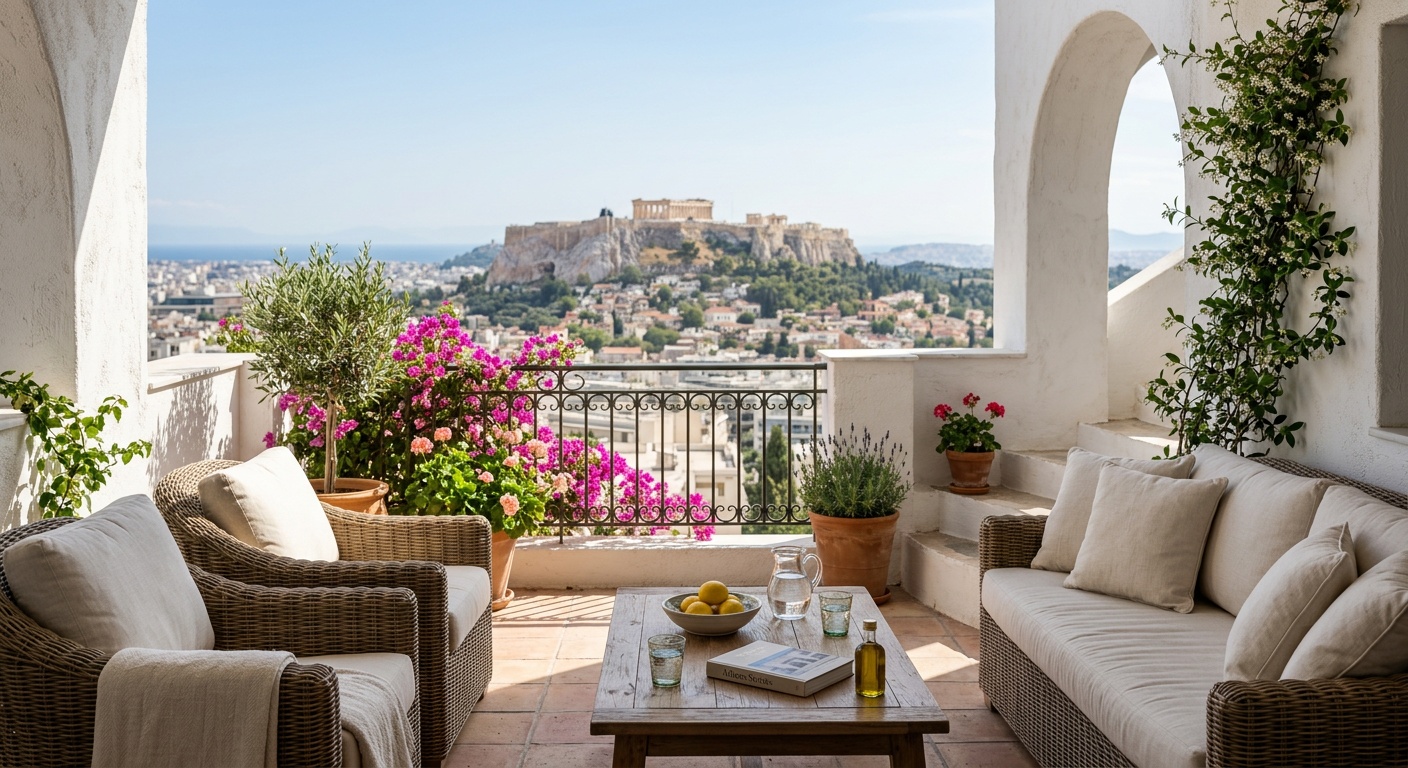
Athens Luxury Real Estate as a Global Investment Alternative
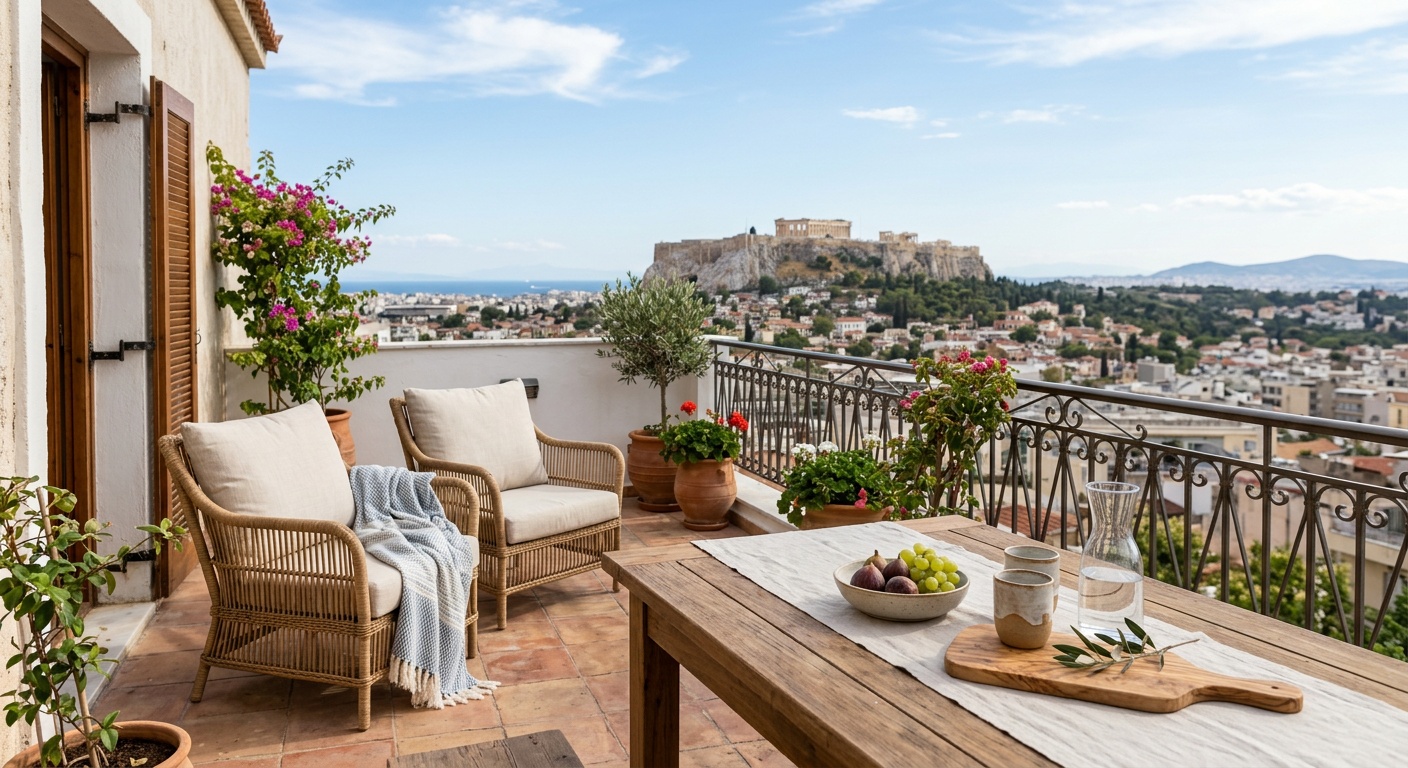
Athens Luxury Real Estate as a Global Investment Alternative
Reading time: 9 minutes
Table of Contents
- Why Athens Is Suddenly on Every Investor’s Radar
- The Numbers Behind the Boom
- Prime Neighborhoods Worth Watching
- Comparing Athens to Other Mediterranean Markets
- Common Challenges (and How to Solve Them)
- Case Studies: Real Investors, Real Results
- Frequently Asked Questions
- Your Roadmap Forward
Why Athens Is Suddenly on Every Investor’s Radar
Ever wonder why seasoned investors who once poured money into Lisbon or Dubai are now quietly redirecting capital toward Athens? You’re witnessing one of the most understated real estate transformations in Europe. What used to be a crisis-era bargain market has, by 2026, matured into a genuinely competitive luxury investment destination.
Here’s the straight talk: Athens isn’t trying to be Paris or London. Instead, it’s carving out its own niche—Mediterranean lifestyle, historic gravitas, and price points that still look reasonable compared to Western European capitals. The city’s appeal was originally amplified by residency-by-investment schemes, and even though Greece raised its investment thresholds in select zones, the broader Golden Visa program continues to draw buyers who want both a lifestyle asset and a legal foothold in the European Union.
Quick Scenario: Imagine a Singapore-based family office looking to diversify beyond Asian property markets. They want capital preservation, rental yield, and a passport-adjacent benefit. Athens checks all three boxes in a way few other capitals currently manage.
The Macro Forces Driving Demand
Greece’s economy has been on a steady recovery arc. GDP growth hovered around 2.3% in 2025, outperforming the eurozone average, while tourism arrivals crossed 36 million visitors—a record that keeps short-term rental yields attractive in central Athens. Meanwhile, construction costs and borrowing rates elsewhere in Europe have pushed investors to seek markets where entry prices haven’t yet caught up with fundamentals.
According to Konstantinos Papadopoulos, a senior analyst at a leading Athens-based property consultancy: “We’re seeing sustained double-digit price appreciation in premium districts since 2022, but Athens luxury property still trades at roughly half the price per square meter of comparable assets in Madrid or Rome. That gap won’t last forever.”
The Numbers Behind the Boom
Numbers tell the story better than sentiment. Prime residential prices in central Athens neighborhoods like Kolonaki and Plaka have climbed steadily, while renovated neoclassical properties and penthouses with Acropolis views command premiums of 30-40% over standard listings.
Average Price Growth by District (2023–2026)
Figures reflect approximate market averages reported by regional agencies and appraisal firms as of early 2026; individual property values vary considerably based on condition, view, and building age.
Prime Neighborhoods Worth Watching
Established Luxury Pockets
Kolonaki remains the gold standard—embassies, designer boutiques, and a walkable lifestyle keep demand structurally high. Glyfada and Vouliagmeni along the Athenian Riviera attract buyers wanting sea views paired with marina access, particularly since infrastructure upgrades tied to the Ellinikon redevelopment project began delivering visible results in 2025.
Emerging Value Zones
Meanwhile, neighborhoods like Koukaki and Pangrati, once considered secondary, are drawing renovation-focused investors. Buyers who purchased neoclassical shells there in 2021-2022 have seen renovated units resell at 60-70% premiums. It’s a pattern reminiscent of Lisbon’s Alfama district a decade ago—early movers captured disproportionate gains before institutional capital arrived.
Comparing Athens to Other Mediterranean Markets
| Market | Avg. Prime Price/m² | Rental Yield | 5-Yr Appreciation | Residency Incentive |
|---|---|---|---|---|
| Athens | €6,000-8,500 | 4.2-5.1% | ~35% | Yes (tiered thresholds) |
| Lisbon | €7,500-10,000 | 3.5-4.0% | ~28% | Limited (property route closed) |
| Madrid | €9,000-13,000 | 3.0-3.8% | ~24% | No |
| Dubai | €5,500-9,500 | 5.5-7.0% | ~45% | Yes (higher thresholds) |
| Rome | €8,000-12,000 | 2.8-3.5% | ~18% | No |
Common Challenges (and How to Solve Them)
Challenge 1: Fragmented ownership records. Greek property titles can involve multiple heirs or unclear boundary documentation, especially in older buildings. The fix? Always commission an independent legal title search before signing any preliminary agreement—reputable Athens law firms typically complete this in 2-3 weeks.
Challenge 2: Renovation permitting delays. Historic districts often fall under archaeological or heritage oversight, which can stall renovation timelines by months. Savvy investors budget an extra 15-20% contingency on both cost and schedule when buying pre-war buildings.
Challenge 3: Currency and repatriation planning. For non-EU buyers, moving rental income or resale proceeds back home involves tax treaty considerations. Working with a cross-border tax advisor from day one—not after closing—prevents costly surprises.
Case Studies: Real Investors, Real Results
Case 1 — The Renovation Play: A UK-based couple purchased a 180m² neoclassical apartment in Pangrati in 2022 for €310,000. After an €85,000 renovation completed in 2024, the unit appraised at €620,000 in early 2026—nearly doubling their combined investment while generating €2,400/month in short-term rental income.
Case 2 — The Golden Visa Diversifier: A Hong Kong-based entrepreneur acquired two seafront units in Glyfada in 2023, partly motivated by residency benefits. By 2026, both units had appreciated roughly 30%, and the family now splits time between Athens and Hong Kong while renting the properties seasonally.
Case 3 — The Institutional Signal: A European private equity fund acquired a boutique hotel conversion project near Syntagma Square in 2024. Their exit strategy, targeted for 2027, anticipates a 22% IRR based on current absorption rates for branded residences in the city center—evidence that institutional capital now views athens luxury real estate as a legitimate portfolio diversifier rather than a speculative side bet.
Frequently Asked Questions
Is Athens luxury real estate still undervalued compared to other EU capitals?
Largely, yes. Prime Athens pricing remains 30-45% below comparable assets in Madrid, Rome, or Paris, even after several years of steady appreciation. That said, the gap is narrowing each year, so the “undervalued” window won’t stay open indefinitely.
What’s the minimum realistic budget for a luxury entry point in 2026?
Expect to budget at least €450,000-€600,000 for a genuinely premium renovated apartment in Kolonaki or coastal Glyfada. Entry-level luxury in emerging districts like Pangrati can start closer to €300,000, though renovation costs should be factored in separately.
Do I need a local partner or can I manage the purchase remotely?
Remote purchases are common and legally straightforward with power of attorney, but you’ll still want boots-on-the-ground representation—an independent lawyer and a licensed local agent—to handle inspections, negotiations, and notary procedures on your behalf.
Your Roadmap Forward
Athens isn’t a speculative gamble anymore—it’s a maturing, data-backed opportunity sitting at the intersection of lifestyle appeal and measurable financial upside. Here’s how to move from curiosity to action:
- Step 1: Shortlist two or three neighborhoods based on your goals—capital appreciation (Pangrati, Koukaki) versus rental income and lifestyle (Kolonaki, Glyfada).
- Step 2: Commission an independent title and structural survey before making any offer, regardless of how attractive the listing looks.
- Step 3: Build a realistic renovation contingency—both time and budget—into any historic property acquisition.
- Step 4: Consult a cross-border tax specialist early to structure ownership efficiently from your home jurisdiction.
- Step 5: Visit in person at least once before closing; Athens’ micro-neighborhood differences are significant enough to change your entire investment thesis.
As global capital continues rotating away from overheated markets toward destinations offering genuine value, Athens is positioned to keep climbing the list of serious investors’ priorities through 2027 and beyond. The question worth sitting with: are you positioning yourself now, while the gap between price and potential is still wide open, or waiting until everyone else notices what you already know?